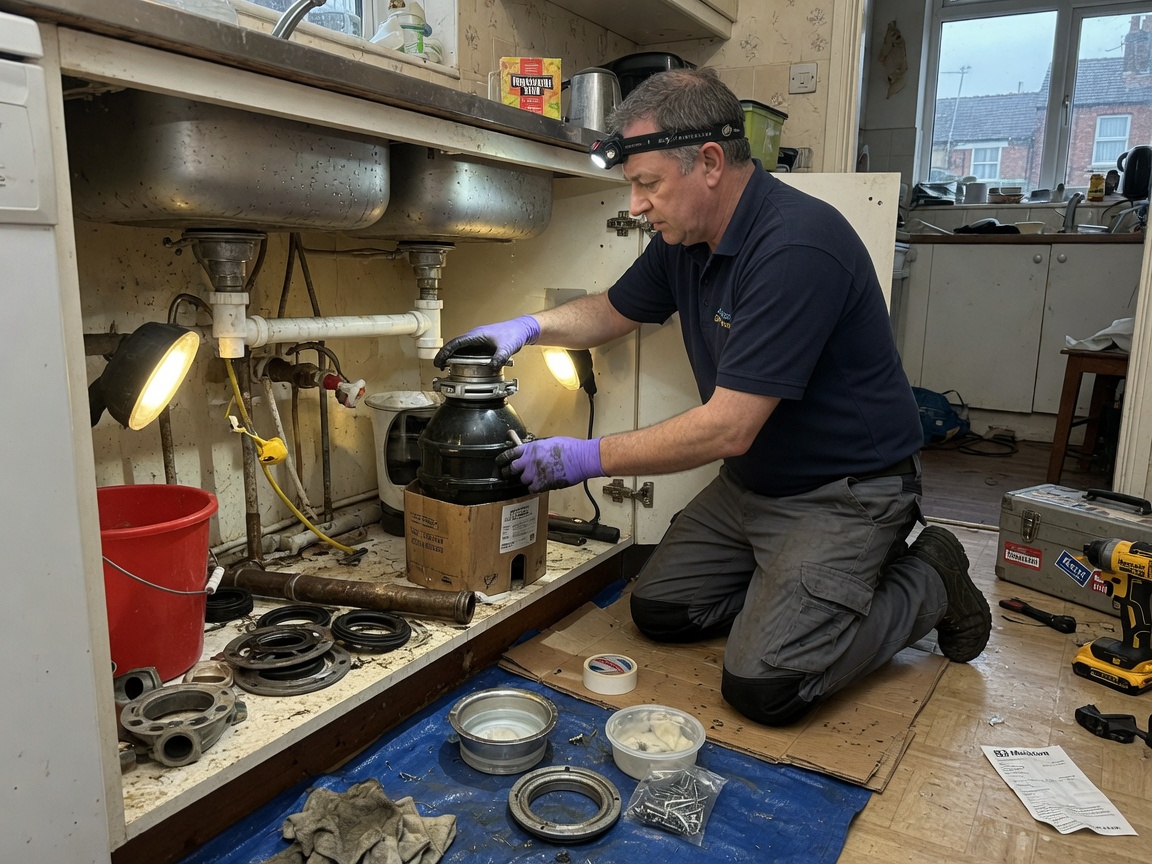
Johann Co. handles appliance repair calls across Cuyahoga Falls, reaching neighborhoods along Front Street and near Blanchard Park where many homes date to the 1950s and 1960s. Older wiring and compact laundry rooms in these properties often mean extra time locating shutoffs and checking vent paths before any work begins. The shop sits at 429 Portage Blvd in Kent and keeps regular hours Monday through Friday eight to six plus Saturday mornings until two so residents can schedule around work or classes at nearby schools.
Winter cold and summer humidity along the Cuyahoga River corridor create extra demand for emergency appliance repair in Cuyahoga Falls. Frozen fill valves on washers and corroded heating elements in dryers show up more often once temperatures drop, while heavy air conditioning use in July strains compressors. Technicians travel local routes like Portage Trail and State Road daily, carrying common parts for brands found in the split-level houses that line the hills above the river.
Access to homes in the Water Works Park area sometimes requires parking on side streets and carrying tools up short flights of stairs common in the older stock. Johann Co. focuses on same-day diagnosis for units that stop mid-cycle during family routines, keeping parts on the truck to finish most jobs without return trips.
Around Cuyahoga Falls, OH
We regularly work near:
- 📍Water Works Park
- 📍Blanchard Park
- 📍Cuyahoga Falls High School
- 📍Portage Trail
- 📍Front Street
Appliance Repair in Cuyahoga Falls, OH — Local Notes
- •Mid-century homes near Blanchard Park often have laundry areas in finished basements where poor drainage raises humidity and shortens dryer vent life.
- •River-adjacent streets in Cuyahoga Falls see more washer inlet valve failures after spring thaws because cold groundwater stays in the lines longer.
- •Split-level layouts along Portage Trail limit workspace around refrigerators, requiring removal of adjacent cabinetry before compressor checks.
- •Heavy summer use of window units in older Cuyahoga Falls housing adds load to electrical panels that were not upgraded since the 1960s.